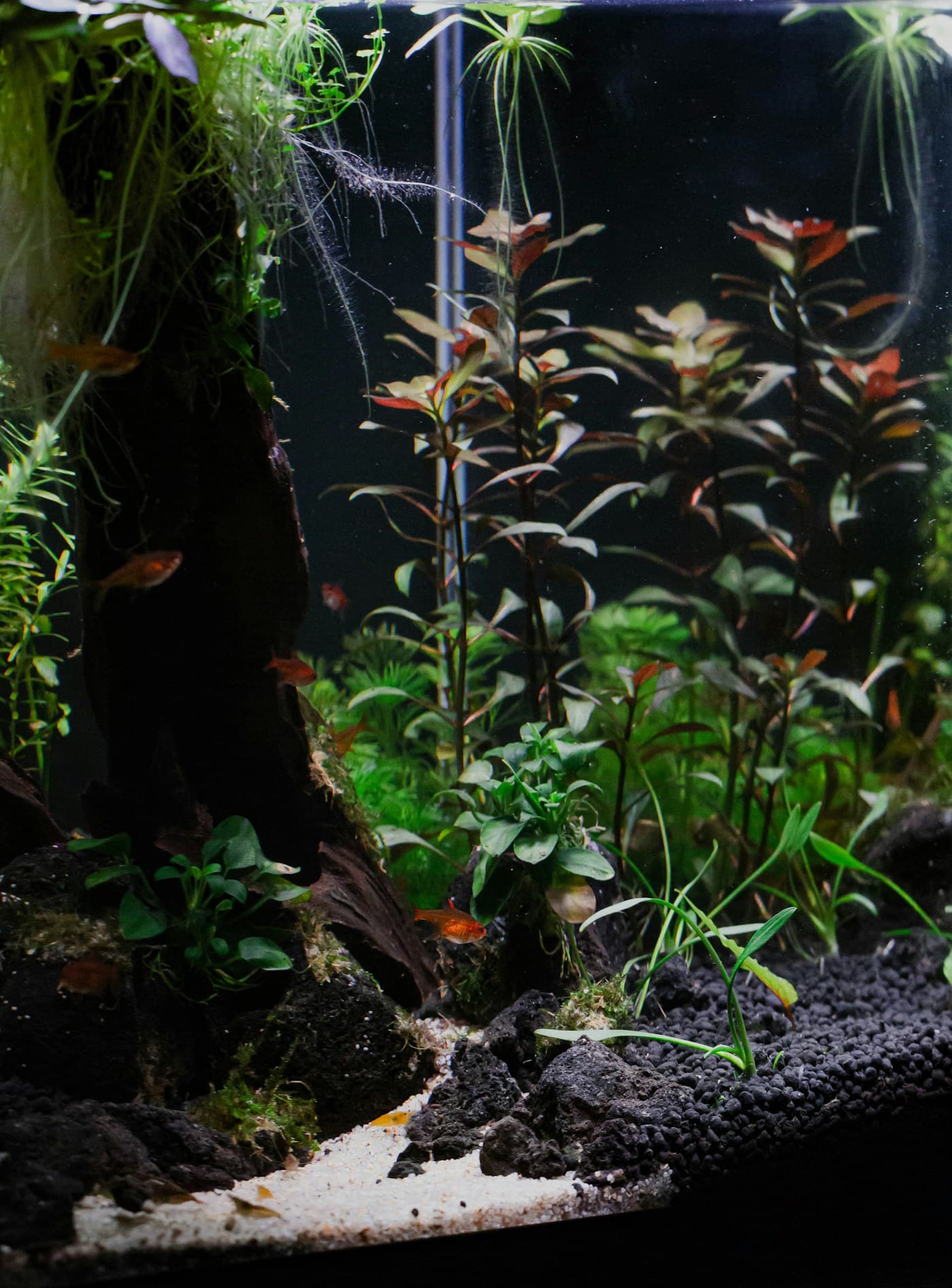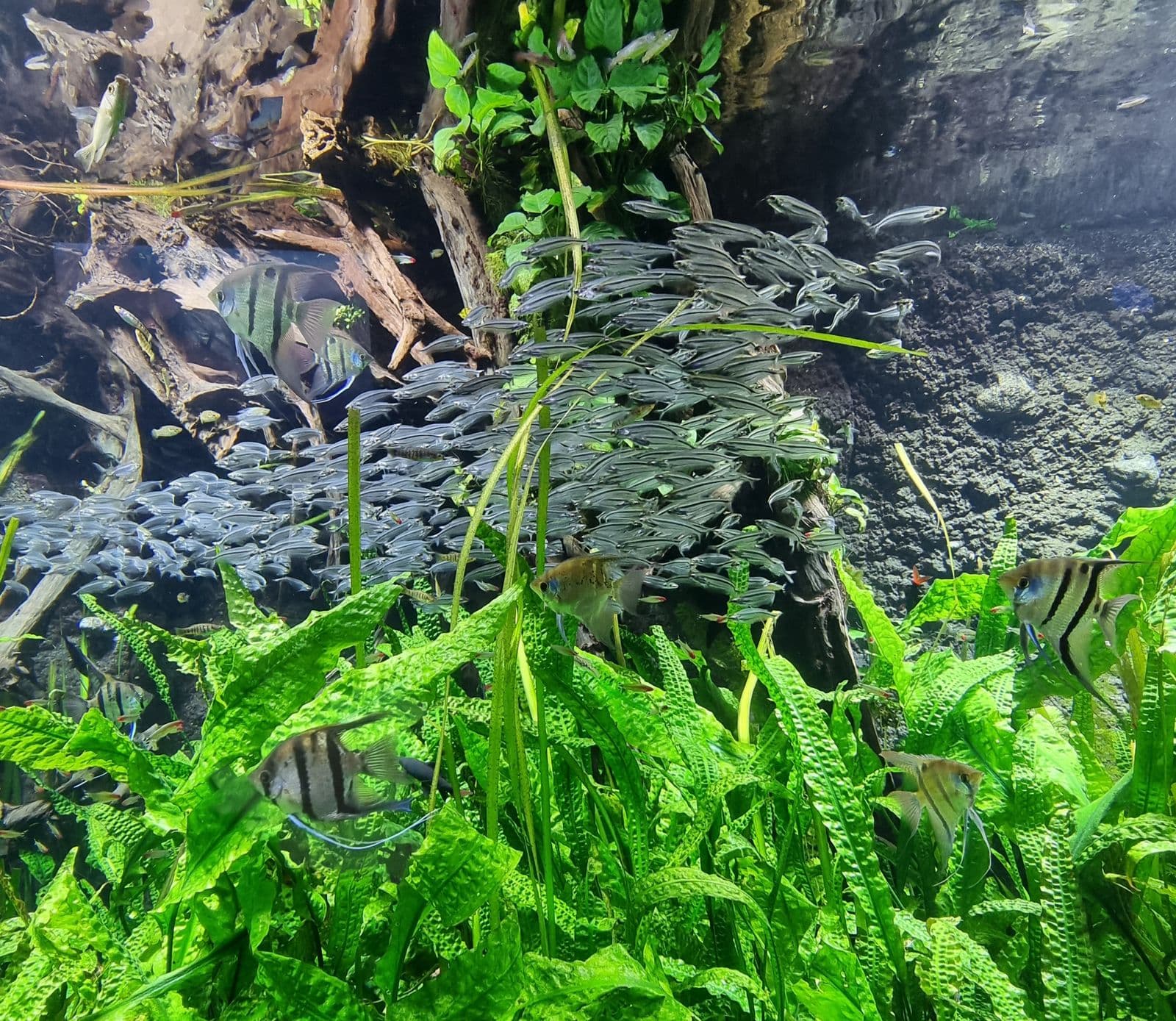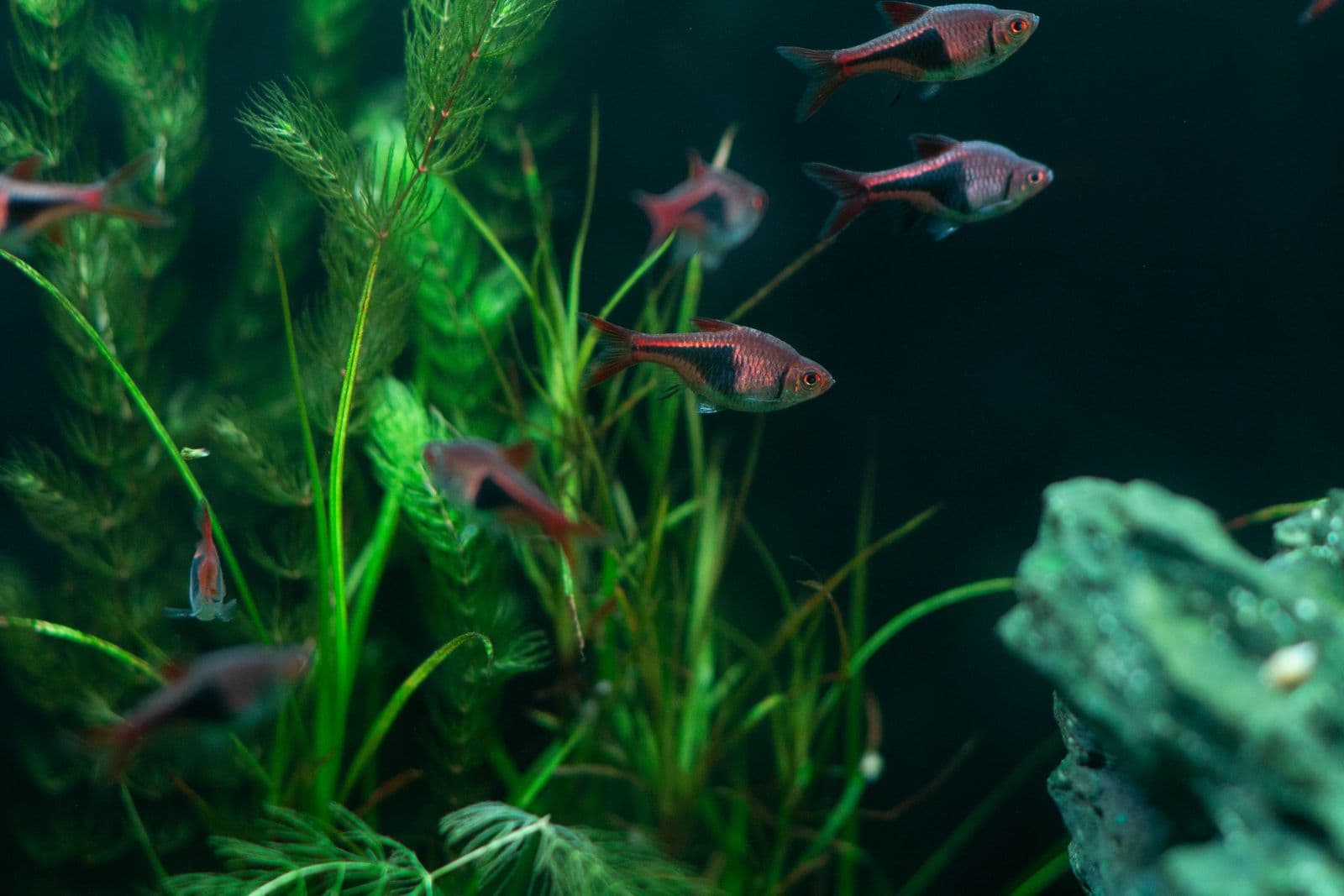
A planted aquarium is one of the most rewarding things you can keep in your home. Unlike a fish-only setup, a planted tank is a living ecosystem — plants, water, light, and nutrients in constant balance. Done right, it's almost self-sustaining. This guide walks you through everything you need to know to set up your first planted tank confidently.
01What Makes a Planted Aquarium Different?
A planted aquarium keeps live aquatic plants as the centrepiece. This changes everything about how the tank works. Plants consume CO₂ and produce oxygen during the day, helping maintain water quality. They absorb nitrates that would otherwise build up from fish waste. And they create natural hiding spots and a sense of scale that fake plants simply cannot replicate.
The challenge is that live plants have requirements — light, nutrients, and sometimes CO₂ injection. Getting these right is what separates a thriving scape from a failing one.
💧 Quick Tips
- 1Start with easy plants like Java Moss, Anubias Nana, and Amazon Sword — these survive in most conditions.
- 2A planted tank does not need fish to look beautiful. Many aquascapers run fish-free tanks.
- 3Good plants reduce algae by competing for the same nutrients algae needs.
02The Essential Equipment
You don't need to spend a fortune to start. Here's what actually matters:
Tank: Any glass tank works. Rimless tanks look cleaner but regular tanks are fine. Start with 30–60 cm to learn, then scale up.
Substrate: This is the soil your plants grow in. Use a specialised aquatic substrate like ADA Amazonia, Fluval Stratum, or a local aquasoil brand. Regular aquarium gravel is not enough for most plants.
Lighting: Plants need light to photosynthesise. For low-tech plants, a basic LED planted light works. For demanding plants, invest in a full-spectrum LED with adjustable intensity. Run lights for 6–8 hours daily using a timer.
Filtration: A good filter keeps the water moving and clear. An external canister filter is ideal for tanks 40 cm and above — it's quieter and more powerful than hang-on-back filters.
CO₂ (optional for beginners): CO₂ injection accelerates plant growth significantly. It's not required for low-tech plants but is essential for carpet plants like Monte Carlo or HC Cuba.
💧 Quick Tips
- 1Buy a timer for your lights. Inconsistent photoperiods cause algae.
- 2Avoid gravel for planted tanks — it has no nutrients and plants will struggle.
- 3A sponge pre-filter on your intake protects small fish and shrimplets.
03Choosing Your First Plants
The golden rule for beginners: start with low-maintenance species. These tolerate suboptimal lighting, basic substrate, and no CO₂.
Anubias Nana — Practically indestructible. Grows slowly, attaches to rocks or driftwood, tolerates low light. A staple in every beginner's tank.
Java Moss — Attaches to anything, grows in almost any condition, looks great as a carpet or tied to wood. Perfect for breeding tanks too.
Amazon Sword — Large, dramatic background plant. Grows in gravel if given root tabs. Fills the back of any tank beautifully.
Cryptocoryne Wendtii — Hardy midground plant that melts briefly when first planted but recovers fully. Available in green and red variants.
Rotala Rotundifolia — Easy stem plant for the background. Grows fast, trims easily, adds colour and movement.
💧 Quick Tips
- 1Buy plants that are grown submerged (aquatic form), not emersed (grown out of water) — they transition faster.
- 2Rinse all new plants thoroughly to remove snail eggs and pests before adding to your tank.
- 3Plant densely from day one — a full tank of plants beats algae before it starts.
04The Nitrogen Cycle: The Most Important Concept
Before adding fish, your tank needs to cycle. This means establishing colonies of beneficial bacteria that convert toxic ammonia (from fish waste and uneaten food) into nitrite, and then nitrite into relatively safe nitrate.
Ammonia and nitrite are lethal to fish. Nitrate is harmless in low quantities and is absorbed by your plants.
Cycling takes 4–6 weeks in a fish-free tank. You can speed it up by: - Adding a piece of filter media from an established tank - Using a bottled bacteria product (Seachem Stability, Dr. Tim's) - Doing a "fish-in cycle" with hardy fish and daily water changes (not recommended)
Test your water with a liquid test kit (not strips — they're inaccurate). Your tank is cycled when ammonia and nitrite consistently read 0 ppm.
💧 Quick Tips
- 1Never do a complete water change during cycling — you'll wash out the beneficial bacteria.
- 2Keep the filter running 24/7 — bacteria live in the filter media, not just the water.
- 3Planted tanks often cycle faster because the plants absorb ammonia directly.
05Common Beginner Mistakes
Most planted tank failures come down to a few predictable errors:
Too much light, too early — New tanks with nutrient-rich substrate don't need maximum light intensity. Start at 30–40% for the first month and gradually increase.
Irregular water changes — Change 20–30% of your water weekly. Letting water quality slide is the fastest way to algae outbreaks.
Overcrowding fish — More fish = more waste = more nutrients = more algae. Start with a small, peaceful shoal.
Cheap substrate — Regular gravel has no nutrients. After a few months your plants will start yellowing. Invest in a proper aquasoil from the start.
Ignoring the filter — Clean your filter media monthly in old tank water (not tap water). Rinsing it under the tap kills your bacterial colony.
Final Thoughts
A planted aquarium is one of the most rewarding hobbies you can pick up. The key is patience — let the tank mature, start with easy plants, and don't rush the stocking. If you're based in Gurugram and want professional help setting up your first scape, we offer free consultations. Just send us a WhatsApp message and we'll guide you through it.